NOVEMBER 9, 2026
Columbia Metropolitan Convention Center
Why Attend the Live Healthy SC Conference?
Together we are Live Healthy
The 9th Annual Live Healthy SC Conference is where South Carolina’s health leaders, advocates, and community partners come together to drive meaningful change.
Grounded in the priorities of the State Health Improvement Plan (SHIP), this conference creates a shared space to align efforts, elevate what’s working, and accelerate progress across communities.
Through inspiring sessions, proven strategies, and intentional networking, the Live Healthy SC Conference fosters collaboration that builds trust, strengthens coordination, and connects local action to statewide impact. Together, we can amplify results, tackle what’s next, and move South Carolina toward a healthier future.


Agenda for the Day
8:00AM
REGISTRATION
9:00AM
WELCOME & OPENING REMARKS
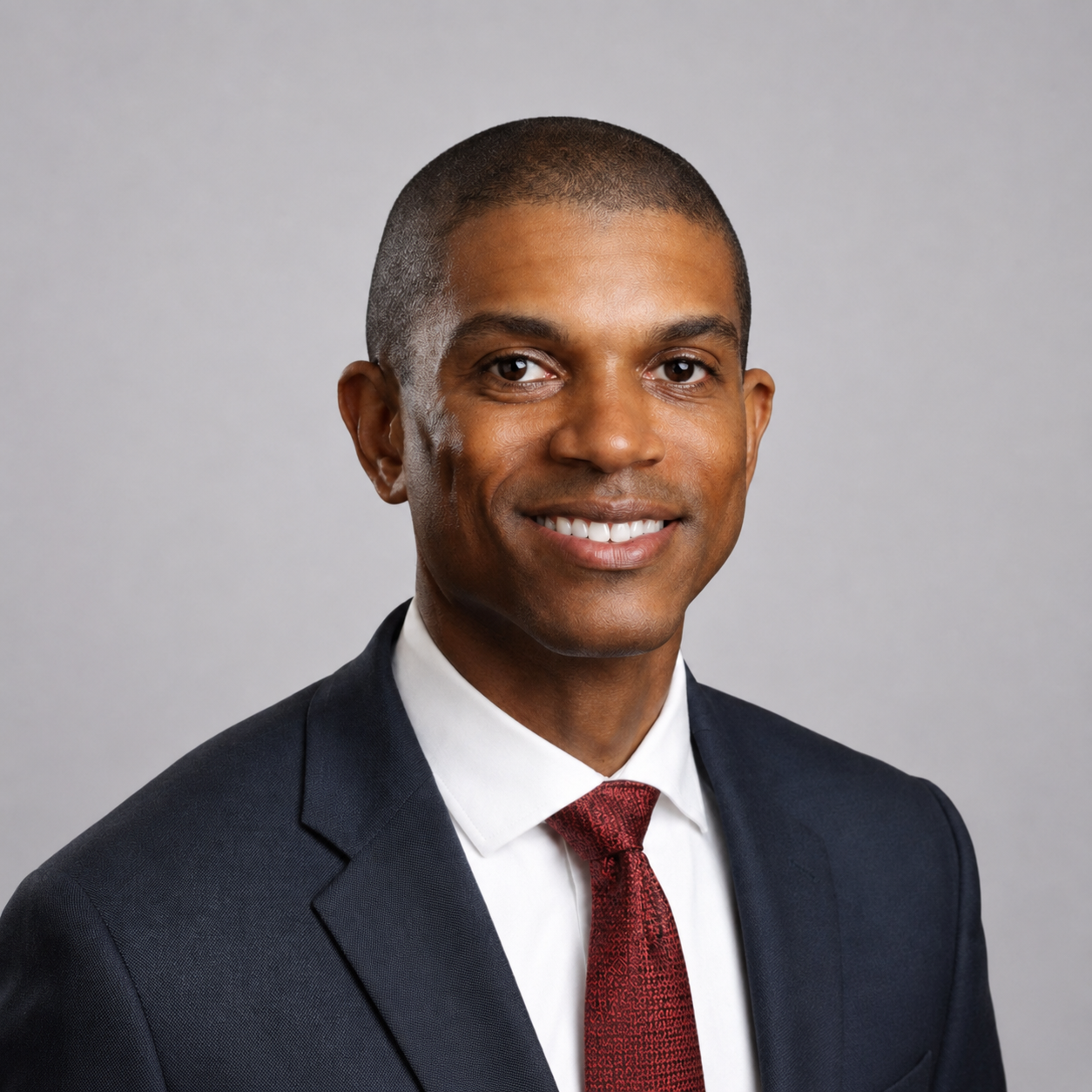
-
Alliance Executive Director
Monty Robertson is a recognized leader in driving statewide community health improvement and advancing health equity in South Carolina. As Executive Director of the Alliance for a Healthier South Carolina, he brings together public and private partners to address health disparities and implement sustainable solutions.
With over a decade of experience, Monty has played a key role in developing and implementing the South Carolina State Health Improvement Plan, aligning efforts across sectors to improve health outcomes statewide. His leadership has strengthened collaboration among healthcare, government, and community organizations, creating lasting impact.
A Furman Riley Institute Fellow, Monty also serves on the boards of the SC Interagency Council on Homelessness and Family Connection SC. He holds a master of health administration from the University of South Carolina and a BS in Biology from Furman University.
9:15AM
STATE HEALTH IMPROVEMENT PLAN: IMPLEMENTATION IN ACTION
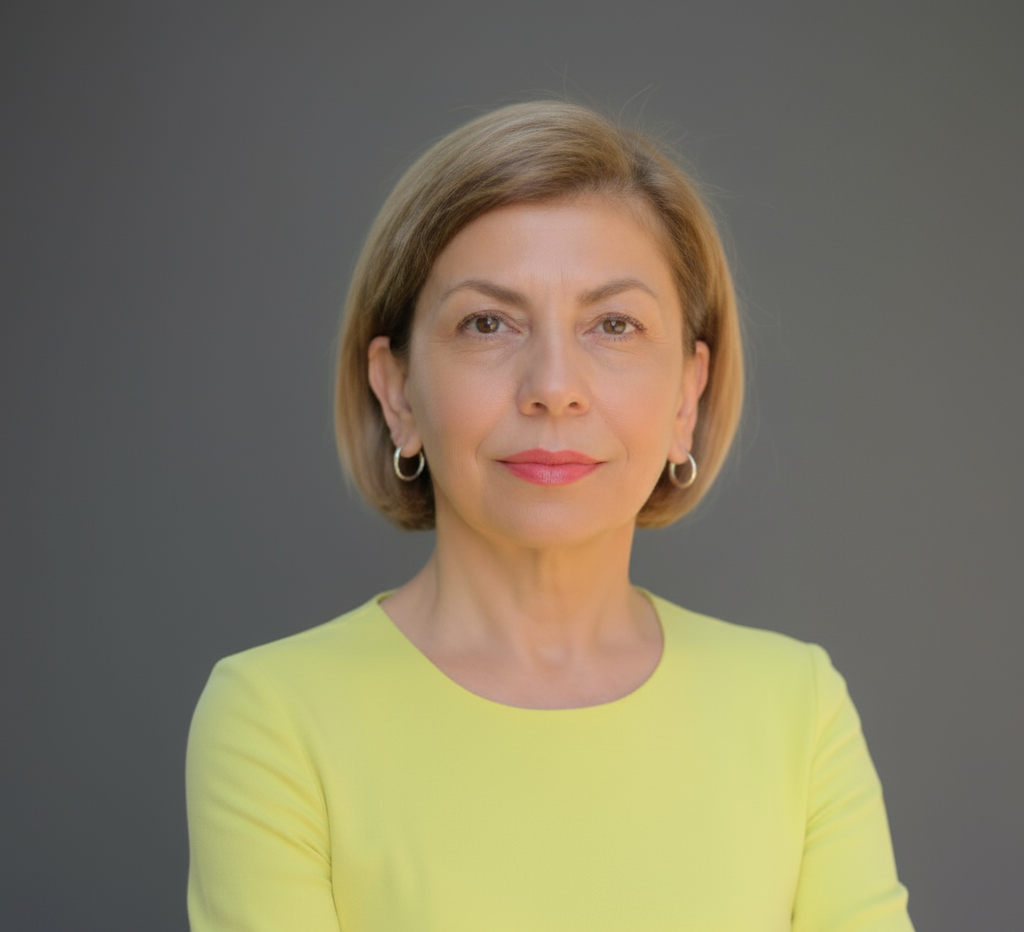
-
SC Department of Public Health
Dr. Kobra Eghtedary is a visionary and transformative leader with more than 25 years of scientific research, data analytics insights, and population health leadership experience. As a member of SCDPH leadership team, she creates a collaborative solution-building community with health equity and analytics intertwined to create actionable insights. Currently, her focus is the implementation of the State Health Improvement Plan by engaging multisector thought leaders from across the state through partnership and strategic alignments to improving the quality of life for all South Carolinians.
9:30AM
HEALTH IN ACTION SPOTLIGHT
The Power of Belonging: A Path to Recovery
Healthy Families: Connecting Care & Community
-
Clubhouse South Carolina
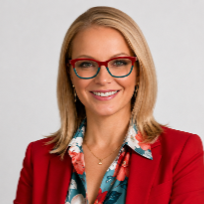
Casey Edmonds, MPH, is an executive leader with 20+ years of experience across nonprofit, for profit, clinical, community, government, and behavioral health systems. She specializes in translating vision into execution, building strategic partnerships, scaling startups and innovative programs, and advancing sustainable systems change. As Executive Director of Clubhouse South Carolina and Project Officer of Expansion with Clubhouse International, Casey leads expansion and initiatives advancing mental health equity, access, and continuity of care for adults experiencing mental illness. A certified International Project Manager, Community Development Delivery Professional, and ESG expert, Casey views her work as more than a job, rather a divinely led mission.
-
Berkeley County Sheriff’s Office
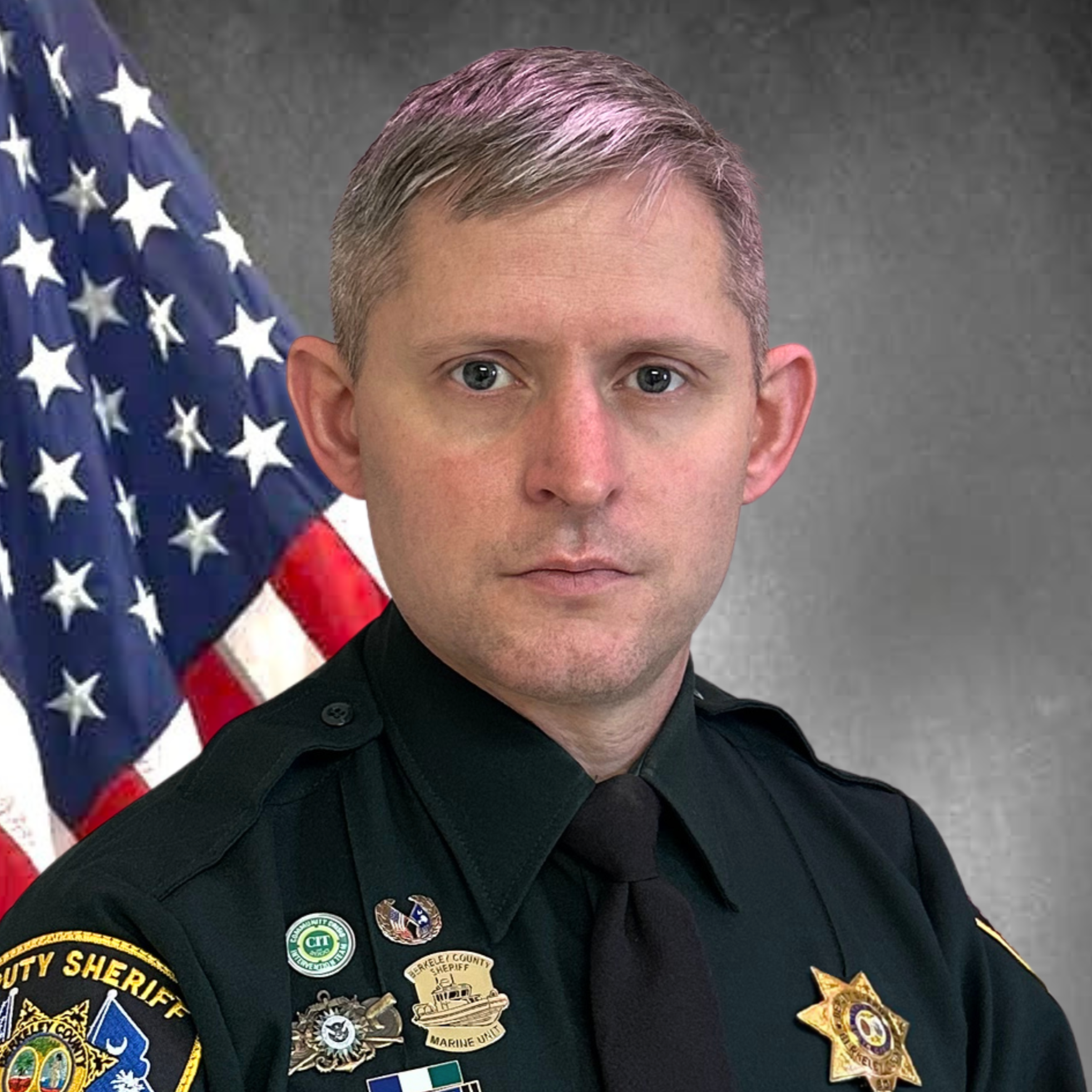
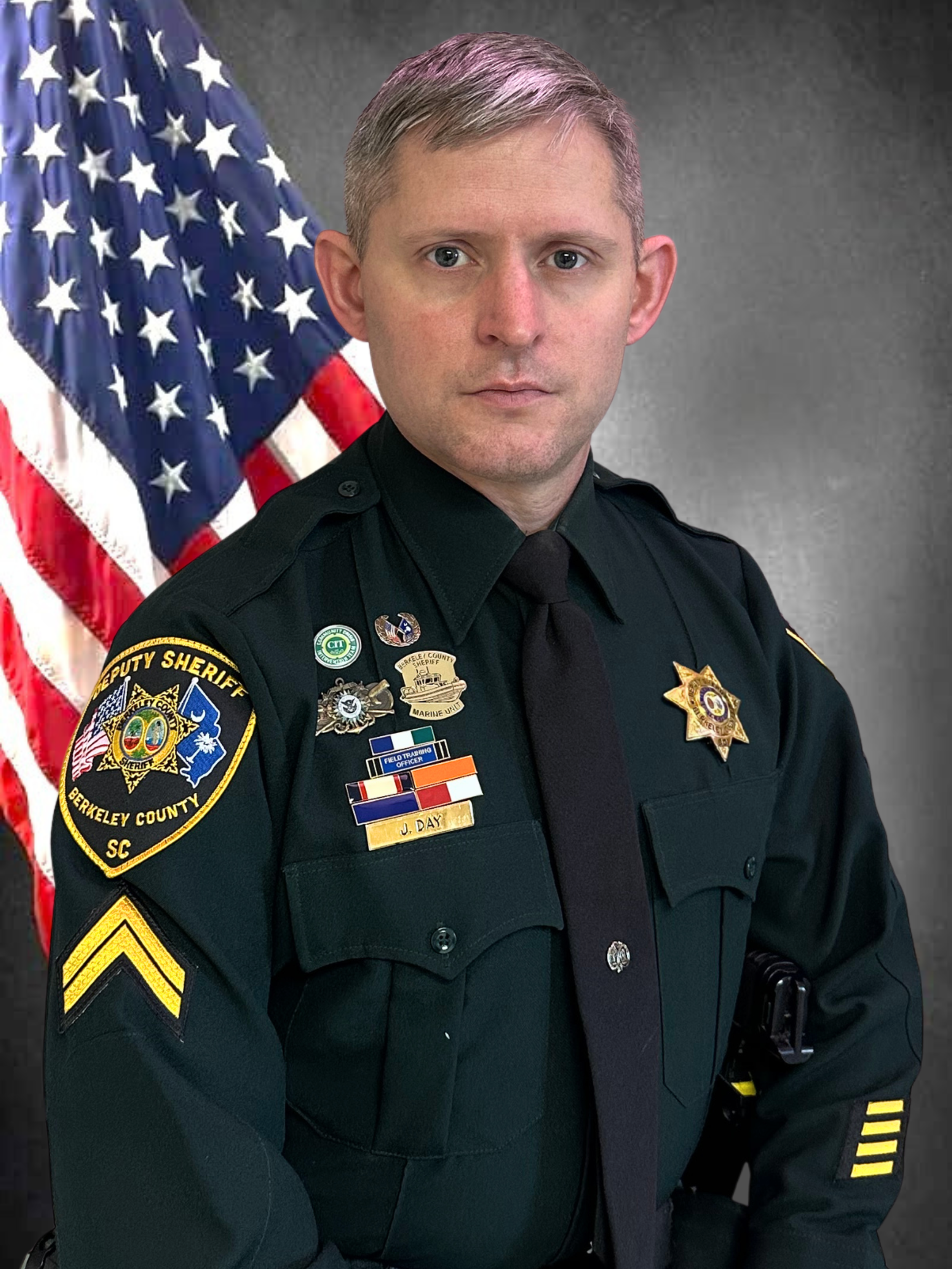
Jeff Day began his career in law enforcement upon his graduation from The Citadel in 2007. During his career, he became a member of the South Carolina Law Enforcement Assistance Program, in which he received multiple training courses from the International Critical Incident Stress Foundation, as well as training from SCDMH and NAMI. Due to his training, experience, and actions taken while assisting individuals experiencing mental health crises and illness, he was awarded the life saving medal, the honorable service medal, the exceptional duty medal, the meritorious service medal, and named a hometown hero by the USAF, Joint Base Charleston.
-
SCORH-Family Solutions
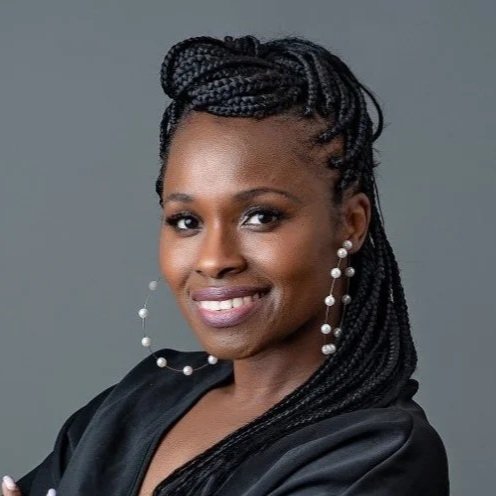
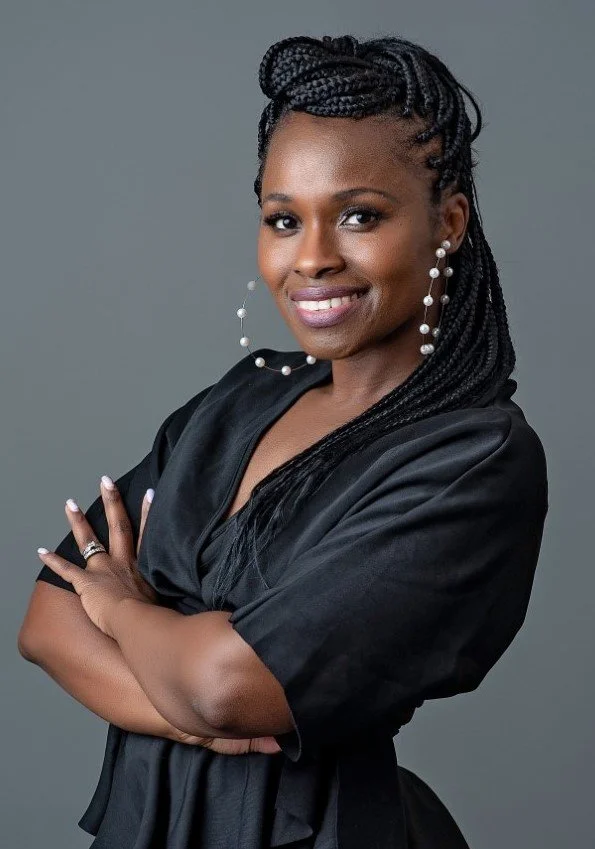
Lamikka Samuel is Senior Director of Family Solutions, a program of the SC Office of Rural Health, where she oversees Healthy Start, Nurse-Family Partnership, and a Family Resource Center. A social worker for 23 years, she earned her master’s degree in social work from USC-Columbia. Her experience includes in-home prenatal and postpartum family support and NICU social work case management. Lamikka is a Certified Community Health Worker, trained community doula, and ACE Master Trainer. She is a past president of the SC Perinatal Association Board and serves on key statewide maternal and perinatal health advisory committees.
-
SCORH-Family Solutions
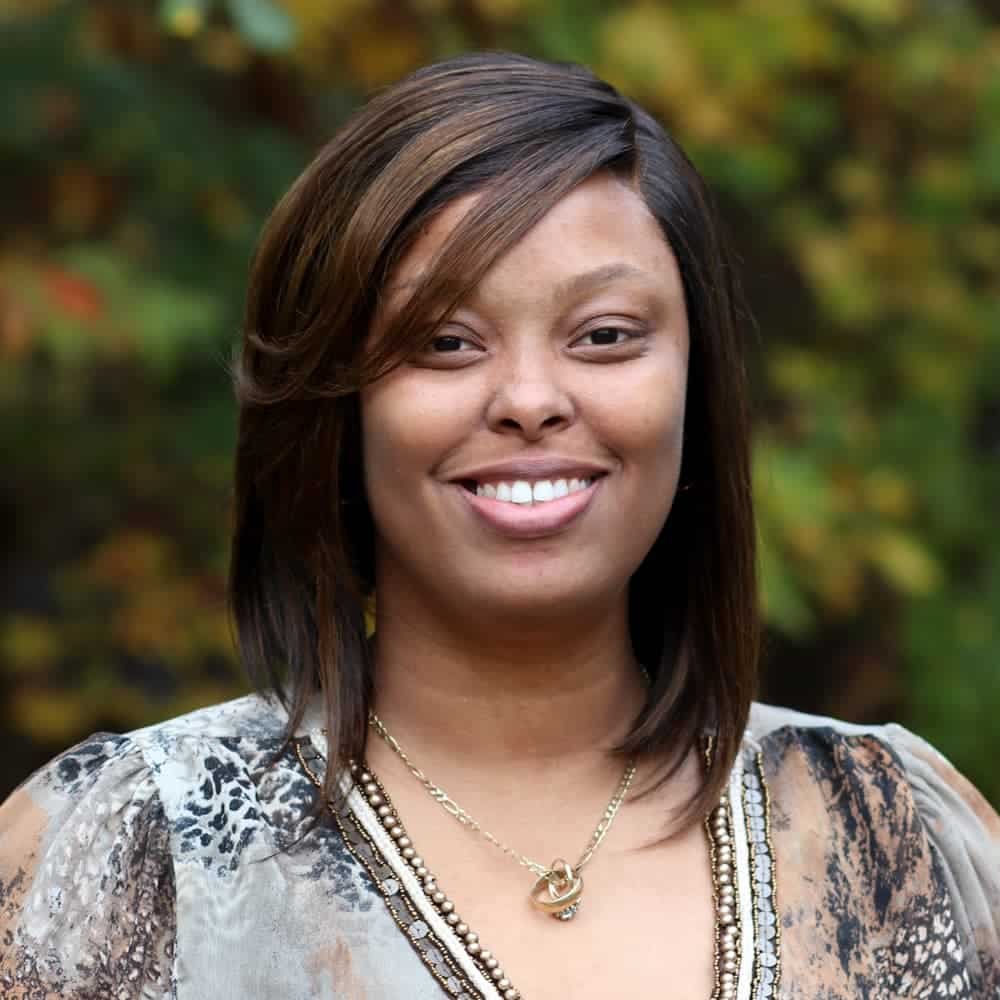
Romaine Stephens has been with Family Solutions since 2010 and serves as the Director of Community Engagement. She is a certified lactation consultant and reproductive health specialist, providing breastfeeding education and connecting individuals to reproductive and contraceptive care through community healthcare partners. Romaine holds a Master’s degree in Human Resource Management and a Bachelor of Arts degree from South Carolina State University. She is passionate about improving maternal and child health and strengthening families throughout the communities she serves.
10:00AM
EXHIBITOR SHOWCASE
10:30AM
CONNECTING COMMUNITIES: REGIONAL CONVERSATIONS FOR ACTION
A. Upstate Region (Lexington B)
-
SC Department of Public Health
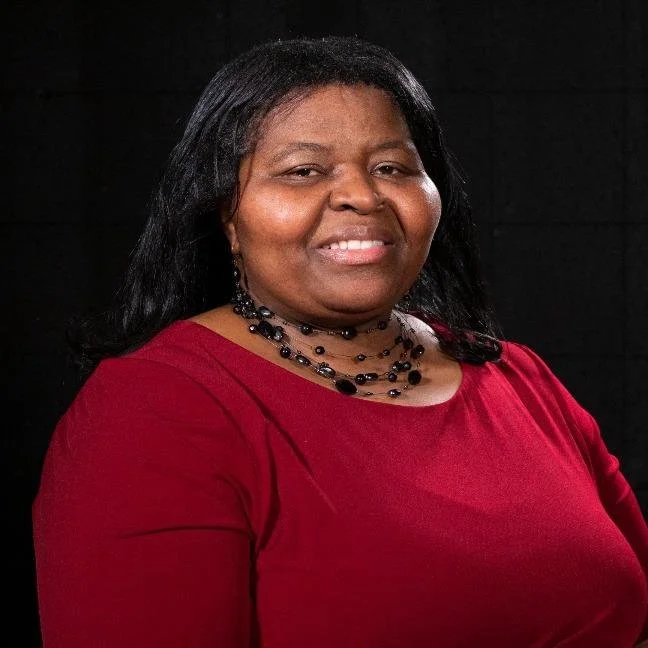
Dr. Lillie Hall is the Community Engagement Director with DPH Upstate for more than 27 years. She holds two Master degrees, in Health Science and Public Health and a doctorate in Public Health. She is also a Master Certified Health Education Specialist and Certified Public Manager. She manages several programs that focus on community engagement, development, and partnerships in eleven counties across the Upstate.
Her education and experience include a rich history in MCH, Community Engagement, Mobilization and Resource Development.
Dr. Hall resides in Simpsonville with her husband of 37 years, David, and two adult children, Deidre and Tanner.
B. PeeDee Region (Richland A)
-
SC Department of Public Health
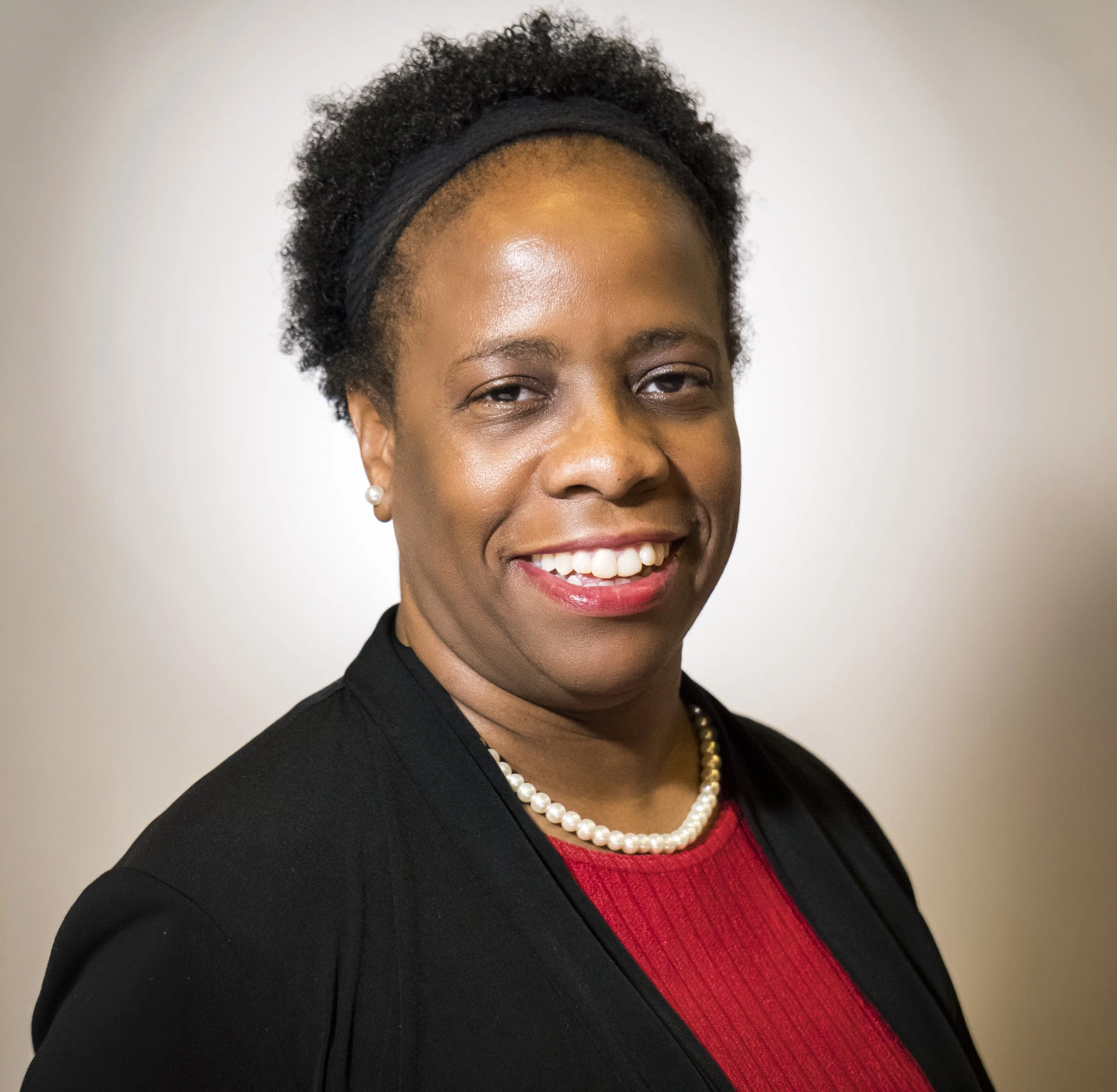
C. Suzette McClellan is the Community Engagement Director for SC Department of Public Health -Pee Dee and a 33-year agency employee. Suzette has worked diligently on issues relating to community health improvement, assessment, engagement, and chronic disease risk reduction. She provides leadership in numerous community collaborations/partnerships. She is a Master Certified Health Education Specialist (MCHES) and Associate Public Manager. Ms. McClellan is a graduate of the College of Charleston with a BS degree in Biology; and the University of South Carolina-Columbia Arnold School of Public Health with a Master of Public Health degree in Health Promotion & Education.
C. Midlands Region (Richland B)
-
SC Department of Public Health
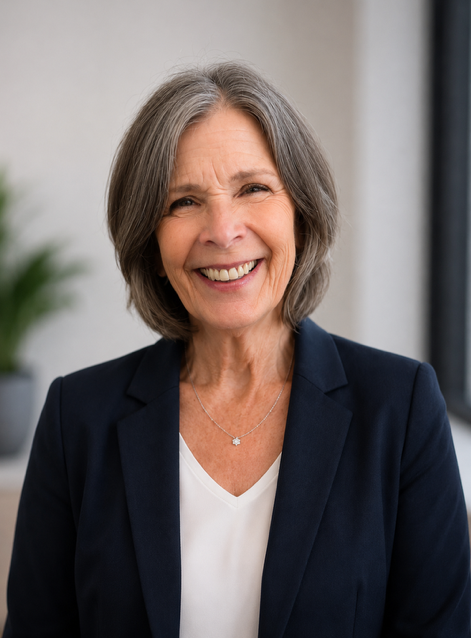
Susan Collier, MS, RDN, LD, serves as the Community Engagement Director for the South Carolina Department of Public Health in the Midlands region. She leads a dedicated team of Community Engagement Specialists working to advance population health and strengthen collective impact efforts across communities and Community Health Workers who support individuals by connecting them to essential social resources and services. Susan holds both her bachelor’s and master’s degrees in nutrition from Winthrop University.
D. Lowcountry Region (Richland C)
-
SC Department of Public Health
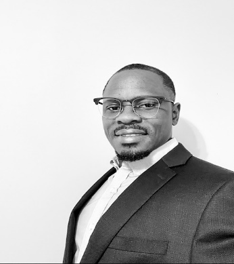
Hyacinthi Elias Mwangu, MPH, is the Community Engagement Director for the Lowcountry Region of the South Carolina Department of Public Health. He holds a Master of Public Health from Grand Valley State University and leads initiatives focused on chronic disease prevention, injury prevention, nutrition, physical activity, mental health awareness, oral health, and substance abuse prevention. Mr. Mwangu manages a multidisciplinary team and collaborates with government agencies, nonprofits, healthcare organizations, schools, faith-based communities, and community partners to advance health equity. He is passionate about improving access to healthy resources and empowering underserved communities to achieve better health and well-being.
11:30AM
LIVE HEALTHY AWARDS LUNCHEON
12:45PM
EXHIBITOR SHOWCASE
1:00PM
BREAKOUT SESSION I
A. From Roadmap to Action: Addressing Cancer Across South Carolina (Lexington B)
Cancer touches nearly every community in South Carolina, making prevention, early detection, treatment, and survivorship a shared priority. Using the South Carolina Cancer Plan as a foundation, this session explores where organizations and communities can make a meaningful difference through education, outreach, referral pathways, data, and collaboration. Attendees will consider practical ways to reduce the burden of cancer and better support individuals, families, and communities across the state.
-
SC Cancer Alliance
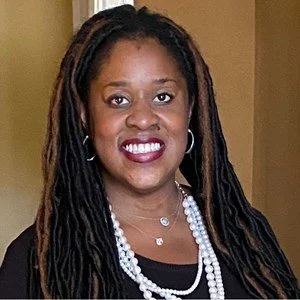
Nicole Echols is a South Carolina nonprofit executive and community leader with extensive experience in stakeholder engagement, advocacy, and organizational leadership. She currently serves as Chief Executive Officer of the South Carolina Cancer Alliance, where she leads efforts to reduce the burden of cancer across the state. Previously, she held leadership roles in community health and external affairs, building partnerships with government, corporate, and nonprofit stakeholders. Echols has received recognition for her leadership, advocacy, and service, including awards for nonprofit excellence and community impact. She is actively involved in numerous civic and philanthropic organizations throughout South Carolina.
-
SC Cancer Alliance
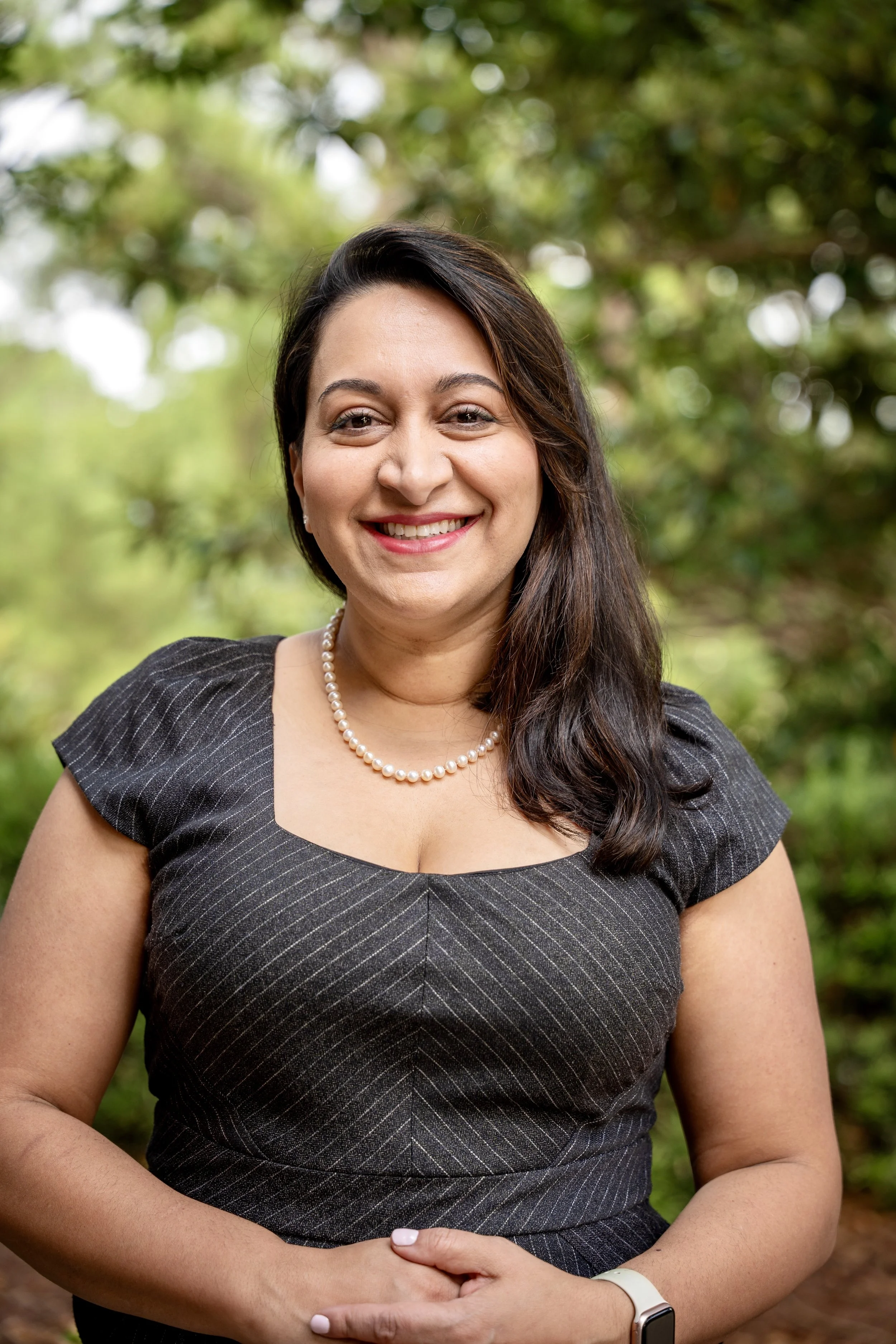
Dr. Vinita Leedom is a public health professional and community advocate dedicated to advancing population health through collaboration, education, and community engagement. Her work reflects a strong commitment to health promotion, disease prevention, and strengthening public health systems. Vinita is actively engaged in discussions surrounding public health policy, cancer prevention, maternal and child health, and workforce development. She is passionate about fostering partnerships that improve health outcomes and expand opportunities for learning and professional growth. With a focus on service, leadership, and mentorship, she brings a community-centered perspective to addressing complex public health challenges and building healthier, more resilient communities.
B. Healing Through Partnership: Expanding Trauma-Informed Behavioral Health Support (Richland A) Content Advisory: Sensitive Topics.
Behavioral health support is most effective when people can access it in the places where they already live, work, and interact with trusted systems. This session highlights how partnerships with the Richland County Sheriff’s Department and South Carolina Department of Corrections are expanding access to trauma-informed services in community and correctional settings. Attendees will explore how embedded support, stronger referral pathways, and trauma-informed approaches can improve mental wellness and connect more people to the care they need.
-
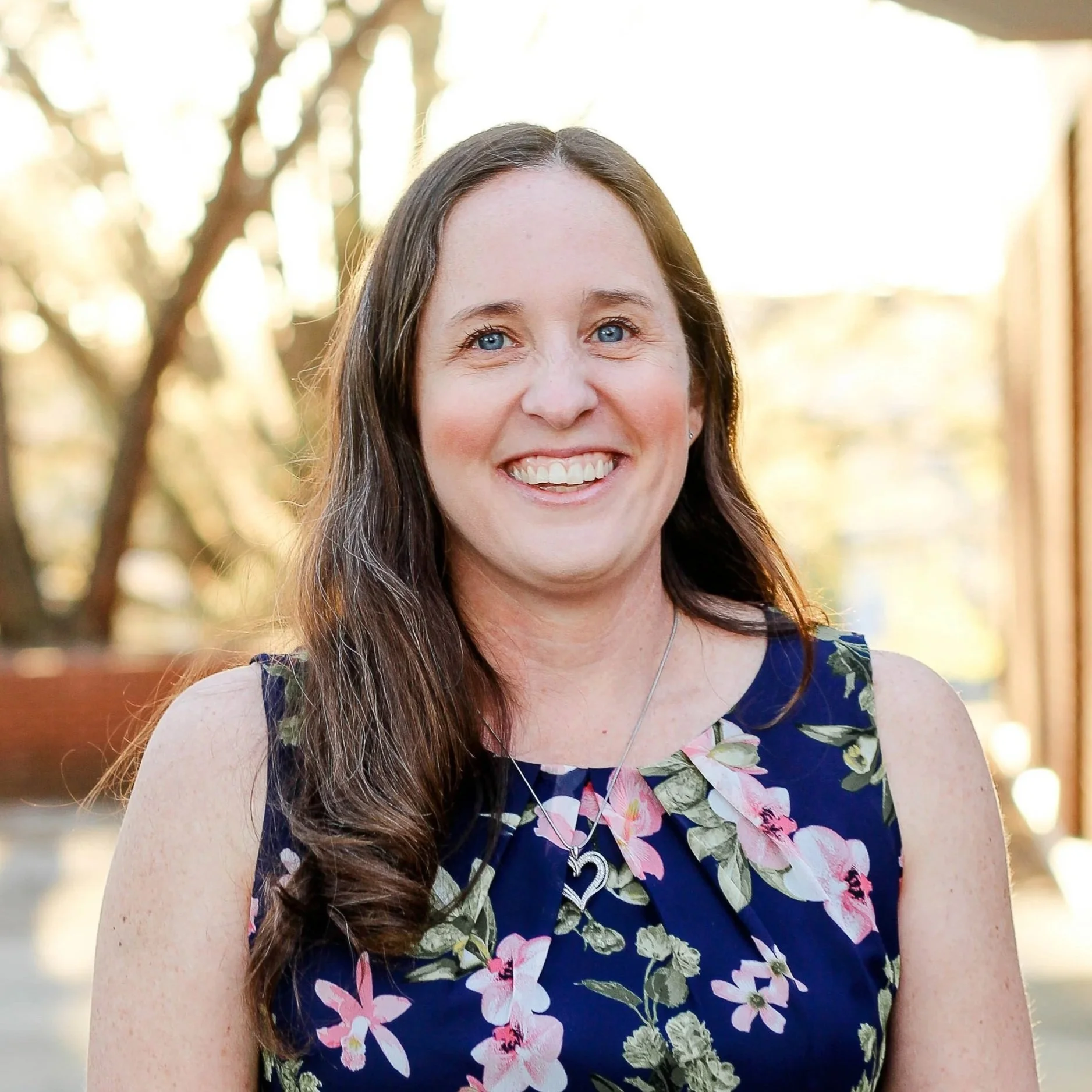
Pathways to Healing
Rebecca Lorick is the Executive Director of Pathways to Healing, a rape crisis center and non-profit agency serving Richland, Lexington, Sumter, Newberry and Clarendon counties. The agency is dedicated to ending sexual violence through advocacy, education, and supportive services. Ms. Lorick has spent more than 25 years of non-profit work serving vulnerable populations, particularly those who have experienced trauma. Innovative in her leadership approach, Ms. Lorick leads the first rape crisis center in the country to offer supportive services inside a state correctional institution and a local sheriff’s department.
-
Richland County Sheriff's Department
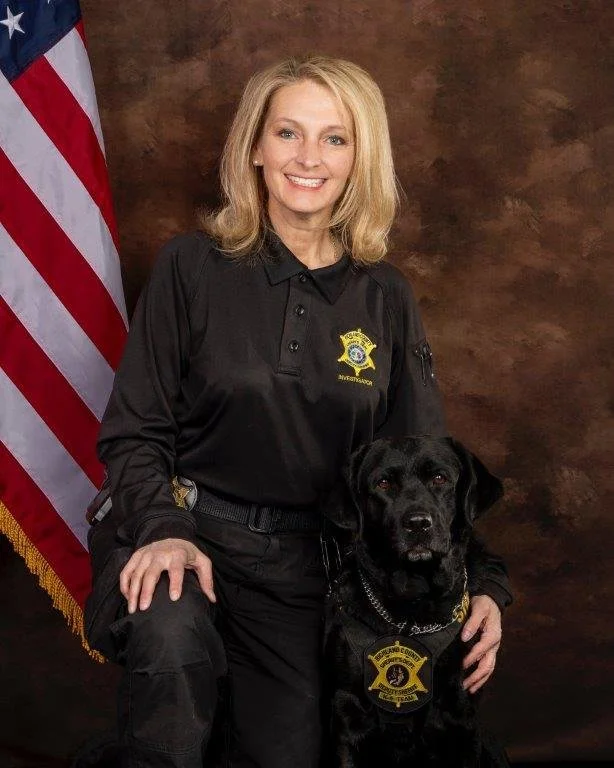
Sargeant Cassandra Radford is a K9 specialist and victims advocate with the Richland County Sheriff’s Department (RCSD). Sgt. Radford has been with RCSD for more than 15 years and partners with multiple agencies and non-profit organizations to support crime victims, with a specific focus on sexual assault. She teaches a women’s self-defense class with RCSD and assists with the Special Victims Unit to help detect electronic devices with her K9 Oakley. Sgt. Radford has received multiple awards for her role in victims’ services and community advocacy.
C. Meeting Women Where They Are: A Community-Integrated Technology Model for Rural Maternal Health (Richland B)
Improving rural maternal health requires care that reaches beyond clinical walls and fits women’s everyday lives. Drawing on lived experience, health system leadership, and South Carolina partnership examples, this session explores how trusted community relationships, clinical care, and digital technology can work together to bring care closer to home.
This interactive session uses South Carolina’s 2025 Maternal Vulnerability Index and its six themes to examine community conditions that shape maternal health. Participants will explore practical approaches to navigation, remote monitoring, education, and coordinated follow-up, with attention to clear responsibilities and dependable connections between visits. Through guided discussion, participants will identify one action their organizations can take to strengthen a local partnership or improve a handoff—building a model of care that meets women where they are.
-
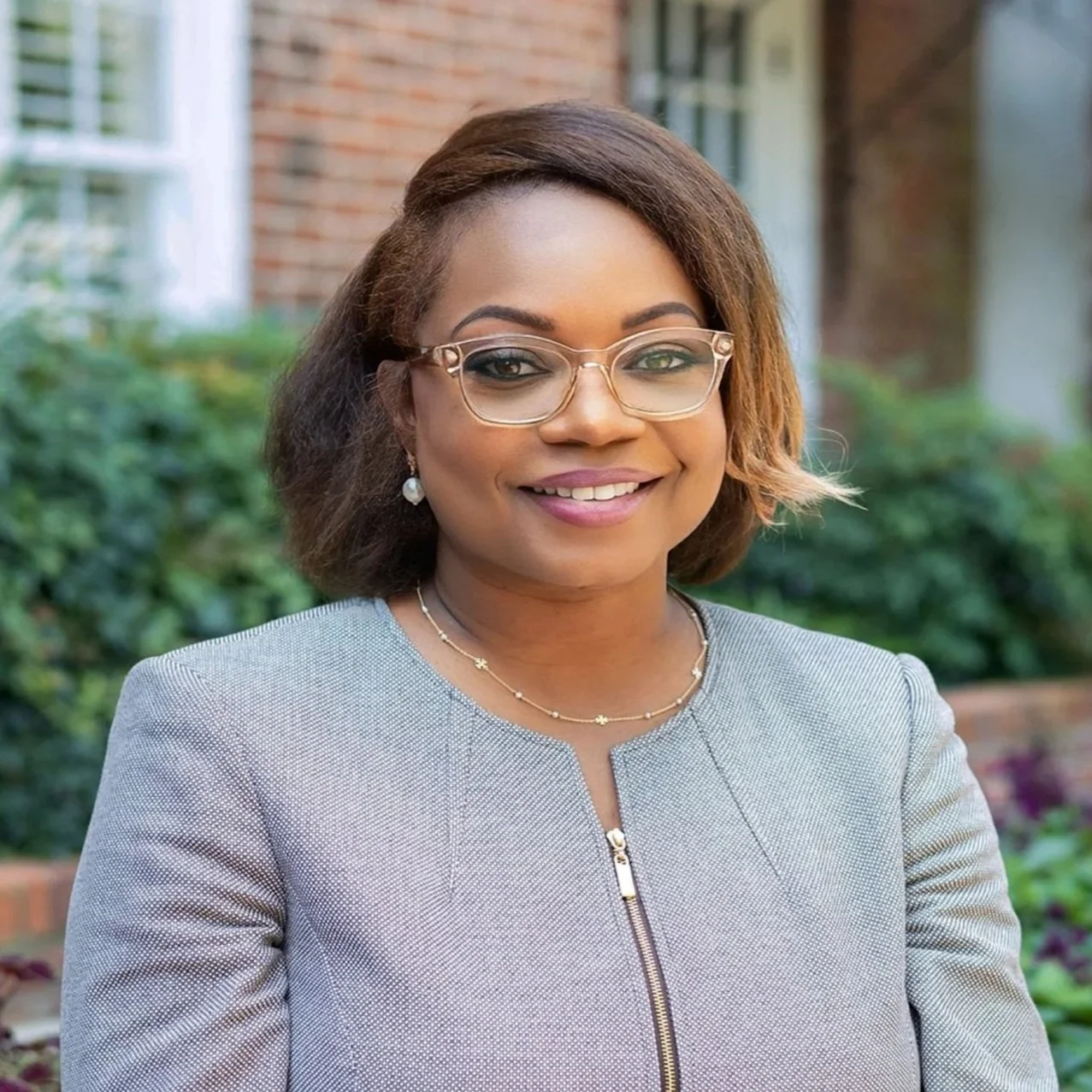
Health Evolve Technologies
Kim Smith, MHA, FACHE is the Founder and CEO of Health Evolve Technologies, a South Carolina-based healthcare organization committed to transforming women's health. With 18 years of healthcare leadership experience, Kim brings deep expertise in clinical systems and health innovation to her work. Through Lauren, Health Evolve's flagship digital health platform, she delivers comprehensive care for women of reproductive age — from preconception through early parenting — with a focus on expanding access in rural and underserved communities across South Carolina.
D. Creating Healthier Communities: Aligning School, Community, and Clinical Strategies for Health Improvement (Richland C)
Healthy eating and active living are critical to reducing chronic disease and improving health outcomes across South Carolina. This session highlights how schools, healthcare systems, and community-based organizations are turning shared priorities into coordinated action through prevention, partnerships, and systems-level change. Participants will see how these strategies can expand access, strengthen community health, and create lasting improvements in the places where people live, learn, work, and receive care.
-
Alliance for a Healthier Generation
Robin Cooper, MPH, is a Regional Project Manager with Alliance for a Healthier Generation and holds a Master of Public Health from Walden University. With more than a decade of experience in public health, Robin specializes in advancing school wellness through evidence-based strategies that promote healthier school environments. Through a partnership with Diabetes Free SC, she partners with state, district, and school leaders across South Carolina to advance state and school district wellness policies and practices that support whole child health. She collaborates closely with educators, school and district leaders, community organizations, and public health partners while fostering cross-sector partnerships, driving systems-level change, and building lasting solutions that improve whole child health outcomes.
-
Clemson Rural Health
Brooke Brittain obtained a B.S. degree in Health Promotion from Coastal Carolina University, a M.S. degree in Food and Nutrition from Florida State University and a Culinary Certificate from the University of South Carolina. Brooke has worked in community nutrition for twenty years. She is a Registered and Licensed Dietitian as well as a Certified Health Education Specialist and a Certified Lactation Counselor. Brooke is currently the Associate Director of Food and Nutrition Security with Clemson Rural Health. Through this position she designs and oversees program planning, implementation and training related to food and nutrition in rural environments.
1:45PM
BREAK
2:00PM
BREAKOUT SESSION 2
E. Patient-Centered Care: Improving Access for Disabled Patients (Lexington B)
Patient-centered care models are typically designed around non-disabled patients, leaving patients with disabilities and chronic health conditions still at risk of being lost trying to navigate a complicated web of providers and caregivers. Successfully navigating these webs takes time, coordination, and resources that aren’t always available to disabled patients. When factoring in socio-economic elements & elevated risk for comorbidities, disabled patients are often stuck in cycles where their health outcomes worsen while the help they need remains inaccessible. This learning lab will provide participants the space to explore how disabled patients navigate health systems and develop strategies to meet patients where they are and ensure patient-centered practice remains centered on the patient.
-
Able SC
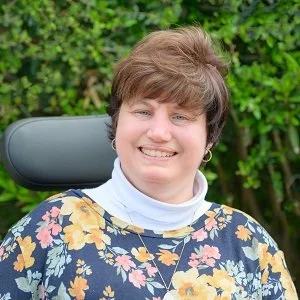
Jennifer is a Community Access Specialist at Able SC, where she conducts digital and physical accessibility assessments and is passionate about accessibility and inclusion. Jennifer received her Bachelor of Science in Economics from the University of South Carolina and her Master of Education from Harvard University. Before working for Able SC, she served as a Mandarin immersion teacher in the States, a TEFL (Teaching English as a Foreign Language) teacher in China, a school administrator, and also worked at SC Competes.
-
Able SC
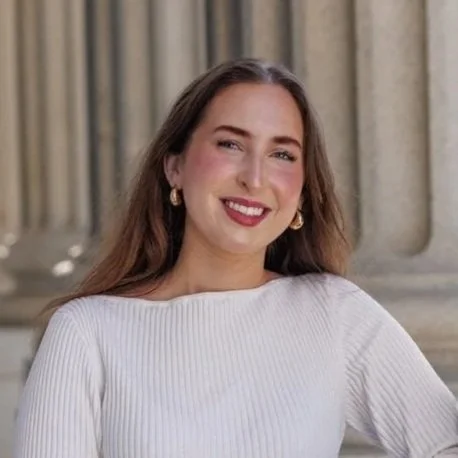
Dori Tempio is the Senior Director of Community Education for Able SC, where she builds partnerships that expand access, independence, and representation for people with disabilities. With over 30 years of education and training experience, she coordinates trainings, webinars, and community events on disability rights, community access, employment, emergency preparedness, health, wellness, and leadership. Dori holds an MS in Counseling from Johns Hopkins University and previously taught for twelve years. A graduate and faculty member of Georgetown University’s Leadership Academy, she facilitates collaborative learning across South Carolina. Dori’s work empowers people and communities to remove barriers and create lasting change.
F. Changing the Trajectory: Education, Health, and Pathways to Success (Richland A)
What happens in a child’s earliest learning environments can shape health, education, and opportunity for years to come. This session examines the long-term impact of suspension and expulsion and highlights how schools, families, and community partners can respond with approaches that better support children and educators. Attendees will explore how stronger cross-sector partnerships can help keep children connected to learning and create better pathways to long-term success.
-
SC Institute of Medicine and Public Health
Taryn M. Farrell serves as the Research & Policy Manager for the South Carolina Institute of Medicine and Public Health (IMPH) where she leads statewide taskforce initiatives, supports the development and execution of IMPH policy informing activities, and leads the organization's evaluation efforts to advance IMPH’s mission. She is currently pursuing her PhD in Health Services Policy and Management at the University of South Carolina and supports research efforts at USC's Rural Health Research Center.
G. Beyond Poverty: Using ALICE to Understand How Economic Stability Impacts Health (Richland B)
Financial instability can affect nearly every part of a person’s life, from housing and transportation to food access, healthcare, and the ability to stay healthy. This session uses ALICE and other community data to reveal needs that traditional poverty measures may overlook and show how economic conditions shape health and opportunity. Attendees will explore how organizations can use this data to better target resources, strengthen partnerships, and respond to the realities families are facing across South Carolina.
-
Trident United Way
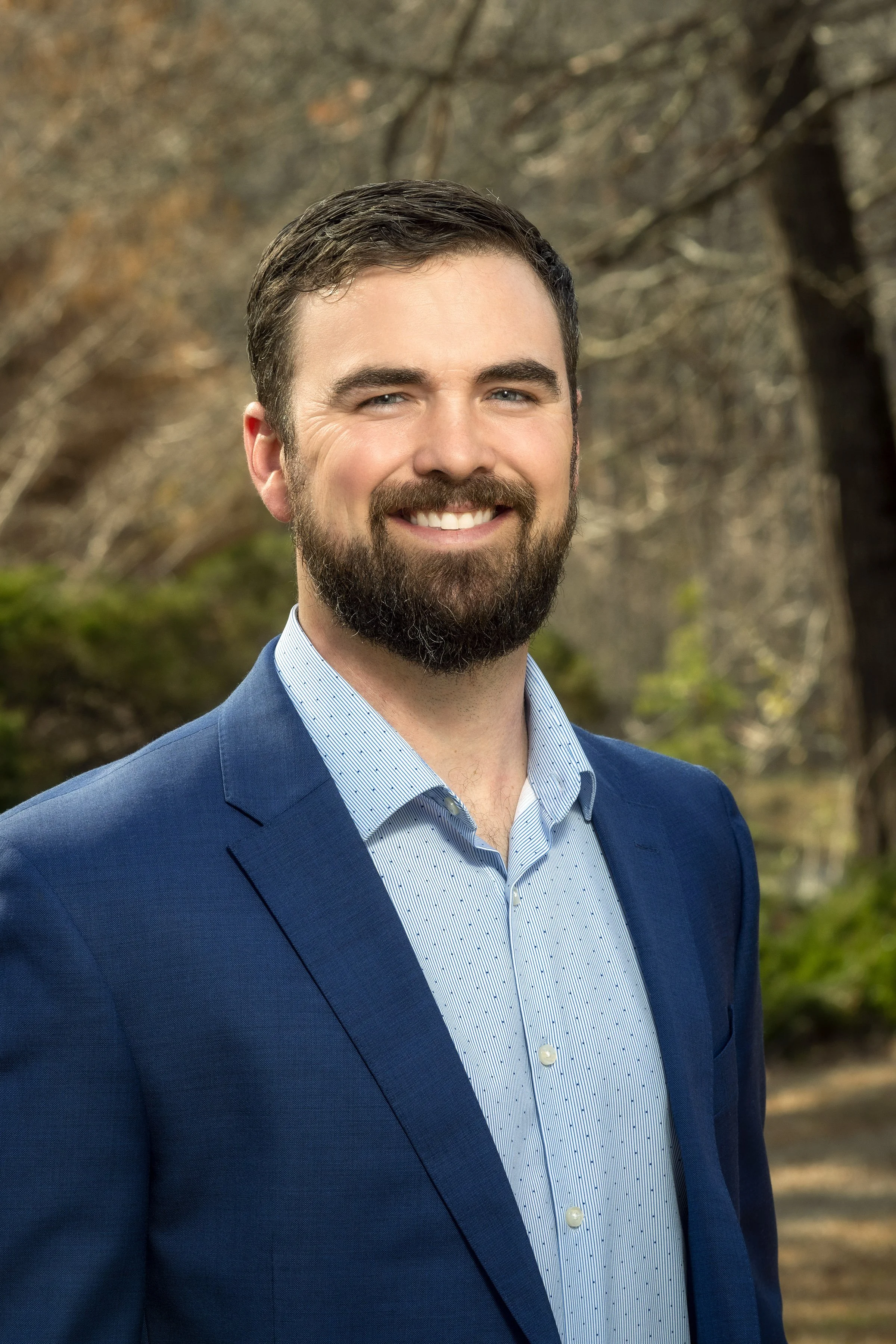
Joey Current is a nonprofit and community engagement leader who works with organizations across South Carolina to build strategic partnerships that improve community outcomes. His work focuses on connecting data, collaboration, and practical action to address complex challenges affecting families and communities. Through presentations and workshops, he helps nonprofit, government, and community leaders strengthen cross-sector partnerships and develop strategies that promote health, financial stability, and equitable access to opportunity.
H. From Voices to Vision: Strengthening Neighborhoods Through Community Health Action (Richland C)
Stronger neighborhoods are built when communities turn resident voice and local data into action. This session highlights how Live Healthy Spartanburg is using community input, partnerships, and local health data to identify priorities, address neighborhood barriers, and guide improvement efforts. Attendees will explore practical ways to engage residents, strengthen local partnerships, and move community priorities toward action.
-
Live Healthy Spartanburg
Keith Hill serves as Coalition Manager for Live Healthy Spartanburg, where he convenes partners, strengthens collaboration, and supports community health priorities across Spartanburg County. He previously served with the Spartanburg Regional Foundation as Grants Manager and Director of Philanthropy, leading grant-funded initiatives, donor engagement, youth leadership, and capacity-building work. Keith brings nearly a decade of experience in public education, including serving as an athletic director, educator, and coach in Spartanburg District One. His work includes leading the Connect adolescent health initiative, supporting teen pregnancy prevention, advancing youth voice, and working on systems-involved youth initiatives through education, philanthropy, facilitation, and coalition-building.
2:45PM
BREAK
3:00PM
THE POWER OF US: INSPIRING ACTION THROUGH COLLABORATION
-
Columbia College
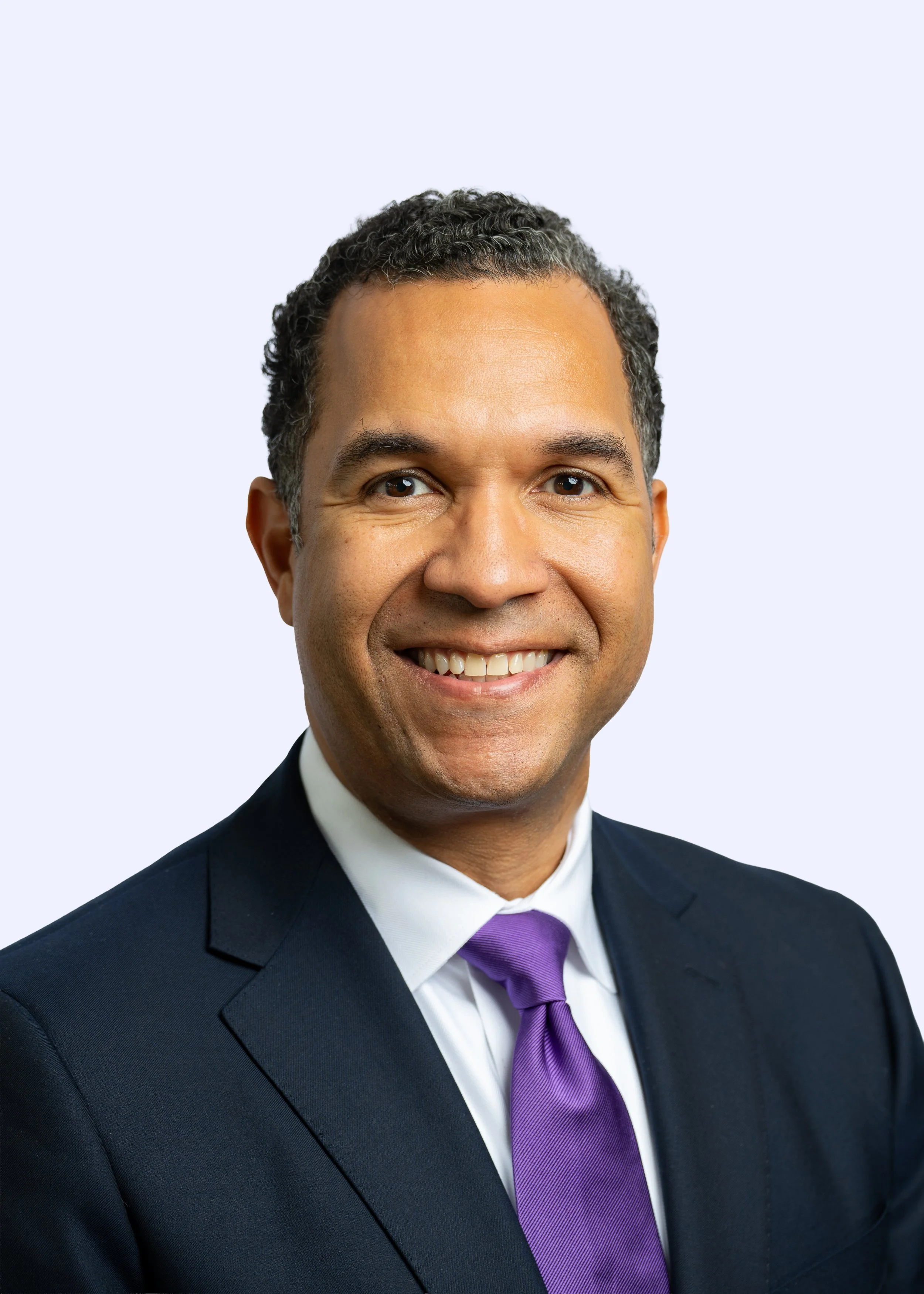
Dr. John H. Dozier is Columbia College’s twenty-first president and a native of Columbia, South Carolina. Since assuming the presidency in July 2023, he has focused on renewed growth, deeper community partnerships, and advancing the College’s role as a catalyst for well-being in the 29203 community and beyond. His leadership centers on preparing students for meaningful lives of impact and building partnerships that connect education, opportunity, and community needs.
Dozier previously held senior leadership roles at MIT, the University of South Carolina, and City Colleges of Chicago, advancing initiatives in student success, community engagement, and organizational transformation. His community service Central Carolina Community Foundation, The Columbia Urban League and the Columbia Chamber Board . He believes higher education must open doors and equip students to strengthen the communities they call home.
3:30PM
CLOSING
2026 Speakers

-
Monty Robertson is a recognized leader in driving statewide community health improvement and advancing health equity in South Carolina. As Executive Director of the Alliance for a Healthier South Carolina, he brings together public and private partners to address health disparities and implement sustainable solutions.
With over a decade of experience, Monty has played a key role in developing and implementing the South Carolina State Health Improvement Plan, aligning efforts across sectors to improve health outcomes statewide. His leadership has strengthened collaboration among healthcare, government, and community organizations, creating lasting impact.
A Furman Riley Institute Fellow, Monty also serves on the boards of the SC Interagency Council on Homelessness and Family Connection SC. He holds a master of health administration from the University of South Carolina and a BS in Biology from Furman University.
-
Dr. Kobra Eghtedary is a visionary and transformative leader with more than 25 years of scientific research, data analytics insights, and population health leadership experience. As a member of SCDPH leadership team, she creates a collaborative solution-building community with health equity and analytics intertwined to create actionable insights. Currently, her focus is the implementation of the State Health Improvement Plan by engaging multisector thought leaders from across the state through partnership and strategic alignments to improving the quality of life for all South Carolinians.
-
Casey Edmonds, MPH, is an executive leader with 20+ years of experience across nonprofit, for profit, clinical, community, government, and behavioral health systems. She specializes in translating vision into execution, building strategic partnerships, scaling startups and innovative programs, and advancing sustainable systems change. As Executive Director of Clubhouse South Carolina and Project Officer of Expansion with Clubhouse International, Casey leads expansion and initiatives advancing mental health equity, access, and continuity of care for adults experiencing mental illness. A certified International Project Manager, Community Development Delivery Professional, and ESG expert, Casey views her work as more than a job, rather a divinely led mission.
-
Jeff Day began his career in law enforcement upon his graduation from The Citadel in 2007. During his career, he became a member of the South Carolina Law Enforcement Assistance Program, in which he received multiple training courses from the International Critical Incident Stress Foundation, as well as training from SCDMH and NAMI. Due to his training, experience, and actions taken while assisting individuals experiencing mental health crises and illness, he was awarded the life saving medal, the honorable service medal, the exceptional duty medal, the meritorious service medal, and named a hometown hero by the USAF, Joint Base Charleston.
-
Lamikka Samuel is Senior Director of Family Solutions, a program of the SC Office of Rural Health, where she oversees Healthy Start, Nurse-Family Partnership, and a Family Resource Center. A social worker for 23 years, she earned her master’s degree in social work from USC-Columbia. Her experience includes in-home prenatal and postpartum family support and NICU social work case management. Lamikka is a Certified Community Health Worker, trained community doula, and ACE Master Trainer. She is a past president of the SC Perinatal Association Board and serves on key statewide maternal and perinatal health advisory committees.
-
Romaine Stephens has been with Family Solutions since 2010 and serves as the Director of Community Engagement. She is a certified lactation consultant and reproductive health specialist, providing breastfeeding education and connecting individuals to reproductive and contraceptive care through community healthcare partners. Romaine holds a Master’s degree in Human Resource Management and a Bachelor of Arts degree from South Carolina State University. She is passionate about improving maternal and child health and strengthening families throughout the communities she serves.
-
Dr. Lillie Hall is the Community Engagement Director with DPH Upstate for more than 27 years. She holds two Master degrees, in Health Science and Public Health and a doctorate in Public Health. She is also a Master Certified Health Education Specialist and Certified Public Manager. She manages several programs that focus on community engagement, development, and partnerships in eleven counties across the Upstate.
Her education and experience include a rich history in MCH, Community Engagement, Mobilization and Resource Development.
Dr. Hall resides in Simpsonville with her husband of 37 years, David, and two adult children, Deidre and Tanner.
-
C. Suzette McClellan is the Community Engagement Director for SC Department of Public Health -Pee Dee and a 33-year agency employee. Suzette has worked diligently on issues relating to community health improvement, assessment, engagement, and chronic disease risk reduction. She provides leadership in numerous community collaborations/partnerships. She is a Master Certified Health Education Specialist (MCHES) and Associate Public Manager. Ms. McClellan is a graduate of the College of Charleston with a BS degree in Biology; and the University of South Carolina-Columbia Arnold School of Public Health with a Master of Public Health degree in Health Promotion & Education.
-
Susan Collier, MS, RDN, LD, serves as the Community Engagement Director for the South Carolina Department of Public Health in the Midlands region. She leads a dedicated team of Community Engagement Specialists working to advance population health and strengthen collective impact efforts across communities and Community Health Workers who support individuals by connecting them to essential social resources and services. Susan holds both her bachelor’s and master’s degrees in nutrition from Winthrop University.
-
Hyacinthi Elias Mwangu, MPH, is the Community Engagement Director for the Lowcountry Region of the South Carolina Department of Public Health. He holds a Master of Public Health from Grand Valley State University and leads initiatives focused on chronic disease prevention, injury prevention, nutrition, physical activity, mental health awareness, oral health, and substance abuse prevention. Mr. Mwangu manages a multidisciplinary team and collaborates with government agencies, nonprofits, healthcare organizations, schools, faith-based communities, and community partners to advance health equity. He is passionate about improving access to healthy resources and empowering underserved communities to achieve better health and well-being.
-
Nicole Echols is a South Carolina nonprofit executive and community leader with extensive experience in stakeholder engagement, advocacy, and organizational leadership. She currently serves as Chief Executive Officer of the South Carolina Cancer Alliance, where she leads efforts to reduce the burden of cancer across the state. Previously, she held leadership roles in community health and external affairs, building partnerships with government, corporate, and nonprofit stakeholders. Echols has received recognition for her leadership, advocacy, and service, including awards for nonprofit excellence and community impact. She is actively involved in numerous civic and philanthropic organizations throughout South Carolina.
-
Dr. Vinita Leedom is a public health professional and community advocate dedicated to advancing population health through collaboration, education, and community engagement. Her work reflects a strong commitment to health promotion, disease prevention, and strengthening public health systems. Vinita is actively engaged in discussions surrounding public health policy, cancer prevention, maternal and child health, and workforce development. She is passionate about fostering partnerships that improve health outcomes and expand opportunities for learning and professional growth. With a focus on service, leadership, and mentorship, she brings a community-centered perspective to addressing complex public health challenges and building healthier, more resilient communities.
-
Rebecca Lorick is the Executive Director of Pathways to Healing, a rape crisis center and non-profit agency serving Richland, Lexington, Sumter, Newberry and Clarendon counties. The agency is dedicated to ending sexual violence through advocacy, education, and supportive services. Ms. Lorick has spent more than 25 years of non-profit work serving vulnerable populations, particularly those who have experienced trauma. Innovative in her leadership approach, Ms. Lorick leads the first rape crisis center in the country to offer supportive services inside a state correctional institution and a local sheriff’s department.
-
Sargeant Cassandra Radford is a K9 specialist and victims advocate with the Richland County Sheriff’s Department (RCSD). Sgt. Radford has been with RCSD for more than 15 years and partners with multiple agencies and non-profit organizations to support crime victims, with a specific focus on sexual assault. She teaches a women’s self-defense class with RCSD and assists with the Special Victims Unit to help detect electronic devices with her K9 Oakley. Sgt. Radford has received multiple awards for her role in victims’ services and community advocacy.
-
Kim Smith, MHA, FACHE is the Founder and CEO of Health Evolve Technologies, a South Carolina-based healthcare organization committed to transforming women's health. With 18 years of healthcare leadership experience, Kim brings deep expertise in clinical systems and health innovation to her work. Through Lauren, Health Evolve's flagship digital health platform, she delivers comprehensive care for women of reproductive age — from preconception through early parenting — with a focus on expanding access in rural and underserved communities across South Carolina.
-
Robin Cooper, MPH, is a Regional Project Manager with Alliance for a Healthier Generation and holds a Master of Public Health from Walden University. With more than a decade of experience in public health, Robin specializes in advancing school wellness through evidence-based strategies that promote healthier school environments. Through a partnership with Diabetes Free SC, she partners with state, district, and school leaders across South Carolina to advance state and school district wellness policies and practices that support whole child health. She collaborates closely with educators, school and district leaders, community organizations, and public health partners while fostering cross-sector partnerships, driving systems-level change, and building lasting solutions that improve whole child health outcomes.
-
Brooke Brittain obtained a B.S. degree in Health Promotion from Coastal Carolina University, a M.S. degree in Food and Nutrition from Florida State University and a Culinary Certificate from the University of South Carolina. Brooke has worked in community nutrition for twenty years. She is a Registered and Licensed Dietitian as well as a Certified Health Education Specialist and a Certified Lactation Counselor. Brooke is currently the Associate Director of Food and Nutrition Security with Clemson Rural Health. Through this position she designs and oversees program planning, implementation and training related to food and nutrition in rural environments.
-
Jennifer is a Community Access Specialist at Able SC, where she conducts digital and physical accessibility assessments and is passionate about accessibility and inclusion. Jennifer received her Bachelor of Science in Economics from the University of South Carolina and her Master of Education from Harvard University. Before working for Able SC, she served as a Mandarin immersion teacher in the States, a TEFL (Teaching English as a Foreign Language) teacher in China, a school administrator, and also worked at SC Competes.
-
Dori Tempio is the Senior Director of Community Education for Able SC, where she builds partnerships that expand access, independence, and representation for people with disabilities. With over 30 years of education and training experience, she coordinates trainings, webinars, and community events on disability rights, community access, employment, emergency preparedness, health, wellness, and leadership. Dori holds an MS in Counseling from Johns Hopkins University and previously taught for twelve years. A graduate and faculty member of Georgetown University’s Leadership Academy, she facilitates collaborative learning across South Carolina. Dori’s work empowers people and communities to remove barriers and create lasting change.
-
Taryn M. Farrell serves as the Research & Policy Manager for the South Carolina Institute of Medicine and Public Health (IMPH) where she leads statewide taskforce initiatives, supports the development and execution of IMPH policy informing activities, and leads the organization's evaluation efforts to advance IMPH’s mission. She is currently pursuing her PhD in Health Services Policy and Management at the University of South Carolina and supports research efforts at USC's Rural Health Research Center.
-
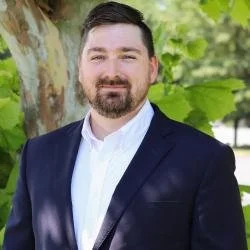
Joey Current is a nonprofit and community engagement leader who works with organizations across South Carolina to build strategic partnerships that improve community outcomes. His work focuses on connecting data, collaboration, and practical action to address complex challenges affecting families and communities. Through presentations and workshops, he helps nonprofit, government, and community leaders strengthen cross-sector partnerships and develop strategies that promote health, financial stability, and equitable access to opportunity.
-
Keith Hill serves as Coalition Manager for Live Healthy Spartanburg, where he convenes partners, strengthens collaboration, and supports community health priorities across Spartanburg County. He previously served with the Spartanburg Regional Foundation as Grants Manager and Director of Philanthropy, leading grant-funded initiatives, donor engagement, youth leadership, and capacity-building work. Keith brings nearly a decade of experience in public education, including serving as an athletic director, educator, and coach in Spartanburg District One. His work includes leading the Connect adolescent health initiative, supporting teen pregnancy prevention, advancing youth voice, and working on systems-involved youth initiatives through education, philanthropy, facilitation, and coalition-building.
-
Dr. John H. Dozier is Columbia College’s twenty-first president and a native of Columbia, South Carolina. Since assuming the presidency in July 2023, he has focused on renewed growth, deeper community partnerships, and advancing the College’s role as a catalyst for well-being in the 29203 community and beyond. His leadership centers on preparing students for meaningful lives of impact and building partnerships that connect education, opportunity, and community needs.
Dozier previously held senior leadership roles at MIT, the University of South Carolina, and City Colleges of Chicago, advancing initiatives in student success, community engagement, and organizational transformation. His community service Central Carolina Community Foundation, The Columbia Urban League and the Columbia Chamber Board . He believes higher education must open doors and equip students to strengthen the communities they call home.
Thank you 2026 Sponsors!